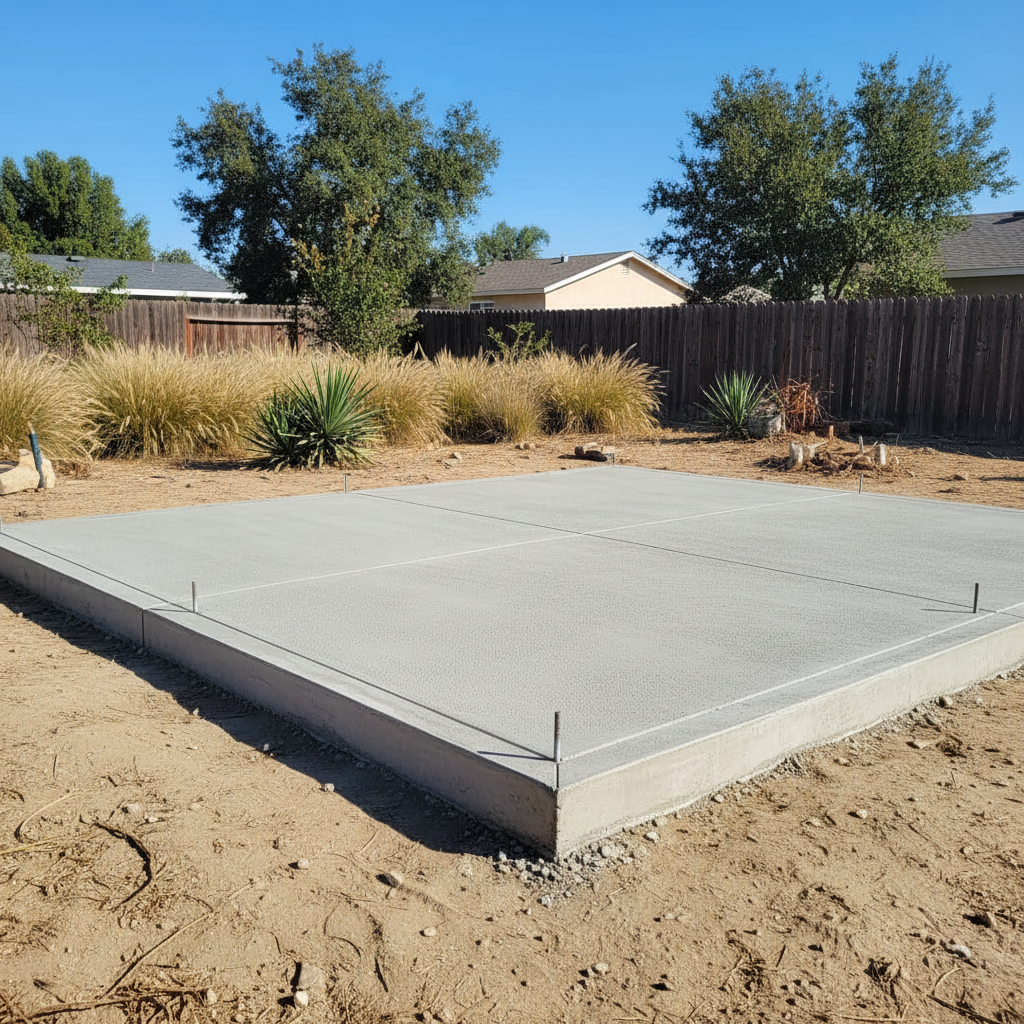
Getting Your Shed Foundation Right: A Straight Talk Guide
So, you're planning a new shed for your backyard. That's great! But before you start dreaming of all the extra storage space, let's talk about the foundation. This isn't the most glamorous part of the project, but it's arguably the most important. A good foundation means a stable, long-lasting shed. A bad one? Well, that's how you end up with a leaning shed, warped doors, and a headache you don't need.
I've seen a lot of shed foundations in my time around Los Angeles, both good and bad. And I'm here to tell you what you can realistically do yourself and when you absolutely should pick up the phone and call someone like us at Los Angeles Shed Solutions.
Before You Dig: Planning & Permits
First things first, don't just start digging. You've got to do your homework. What kind of shed are you putting in? A small 8x10 for garden tools is a lot different from a 12x20 workshop. The size and weight of your shed will dictate the type of foundation you need.
Next, check with the City of Los Angeles Department of Building and Safety. A lot of folks assume small sheds don't need permits, but depending on the size, height, and how close it is to property lines, you might. You don't want to get halfway through your project only to have a stop-work order slapped on your new shed. Trust me, dealing with the city after the fact is way more complicated than checking upfront.
Also, think about your site. Is it level? Is the soil well-drained? Here in LA, especially in areas like the Hollywood Hills, you can have some pretty varied soil conditions, from sandy loam to heavy clay. This affects drainage and stability. If your site has a significant slope or really soft soil, that's usually your first sign that this might be a job for a pro. Trying to level a very sloped site yourself for a shed foundation can be a massive undertaking, requiring serious excavation and retaining walls.
DIY Foundation Options: What You Can Tackle
For smaller, lighter sheds, there are a couple of foundation types you can definitely take on yourself. These are usually for sheds under 200 square feet, which often don't require permits, but again, always double-check local regulations.
- Gravel Pad: This is probably the most common and DIY-friendly option. You'll need to excavate the area a few inches deep, lay down some landscape fabric to prevent weeds, and then fill it with compacted gravel (usually 3/4-inch crushed rock). You'll want to build a perimeter frame, typically from pressure-treated lumber, to hold the gravel in place. Make sure it's perfectly level. This provides good drainage and a stable base for your shed's floor joists. It's relatively inexpensive and doesn't require any special tools beyond a shovel, rake, and a tamper.
- Concrete Pavers or Deck Blocks: For really small sheds, you can sometimes get away with setting concrete pavers or deck blocks directly on a well-prepared, level gravel base. These act as individual piers. You'll need to make sure they're all at the same height and properly spaced to support your shed's floor frame. This is a step up from just gravel, offering more direct support, but still pretty manageable for a homeowner.
The key to both of these is meticulous site preparation and leveling. If your base isn't level, your shed won't be either, and you'll run into problems down the road with doors not closing and water pooling.
When to Call a Professional (That's Us!)
There are definitely times when trying to save a buck on the foundation will cost you a lot more in the long run. Here's when you should absolutely call in a professional:
- Large Sheds or Workshops: Anything over 200 sq ft, or if you're storing heavy equipment, needs a more robust foundation. We're talking about poured concrete slabs or perimeter foundations with footings that go below the frost line (though frost isn't much of an issue here in LA, stability is). These require proper rebar reinforcement, formwork, and precise concrete pouring. It's not a job for a weekend warrior.
- Significant Slopes or Uneven Terrain: If your yard isn't relatively flat, creating a level, stable foundation is a big challenge. It might involve extensive grading, retaining walls, or specialized pier and beam systems. Getting this wrong can lead to structural failure.
- Poor Soil Conditions: If you've got really soft, expansive, or unstable soil, a simple gravel pad isn't going to cut it. A professional will know how to assess the soil and design a foundation that can handle it, whether that means deeper footings or specialized compaction.
- Permit Requirements: If your shed requires a building permit, chances are the foundation will need to meet specific engineering standards. A professional contractor is familiar with these codes and can ensure your foundation passes inspection.
- You Value Your Time (and Back): Let's be honest, digging, leveling, and moving gravel or concrete is hard work. If you're not up for a physically demanding project, or if your time is better spent elsewhere, hiring us to do the foundation can save you a lot of sweat and potential frustration. We've got the equipment and the crew to get it done efficiently and correctly.
After the Foundation: Keeping it Solid
Once your foundation is in, whether you did it or we did, make sure you maintain good drainage around it. Keep gutters clean on your shed, and make sure water isn't pooling against the base. Regular checks for any settling or shifting are a good idea, especially after heavy rains. If you notice anything concerning, address it quickly. A small issue caught early is always easier and cheaper to fix than a major problem down the road.
Building a shed is a great way to add value and utility to your home. Just remember, a solid foundation is the bedrock of that success. Don't cut corners here, and don't be afraid to ask for help when you need it. That's what we're here for.