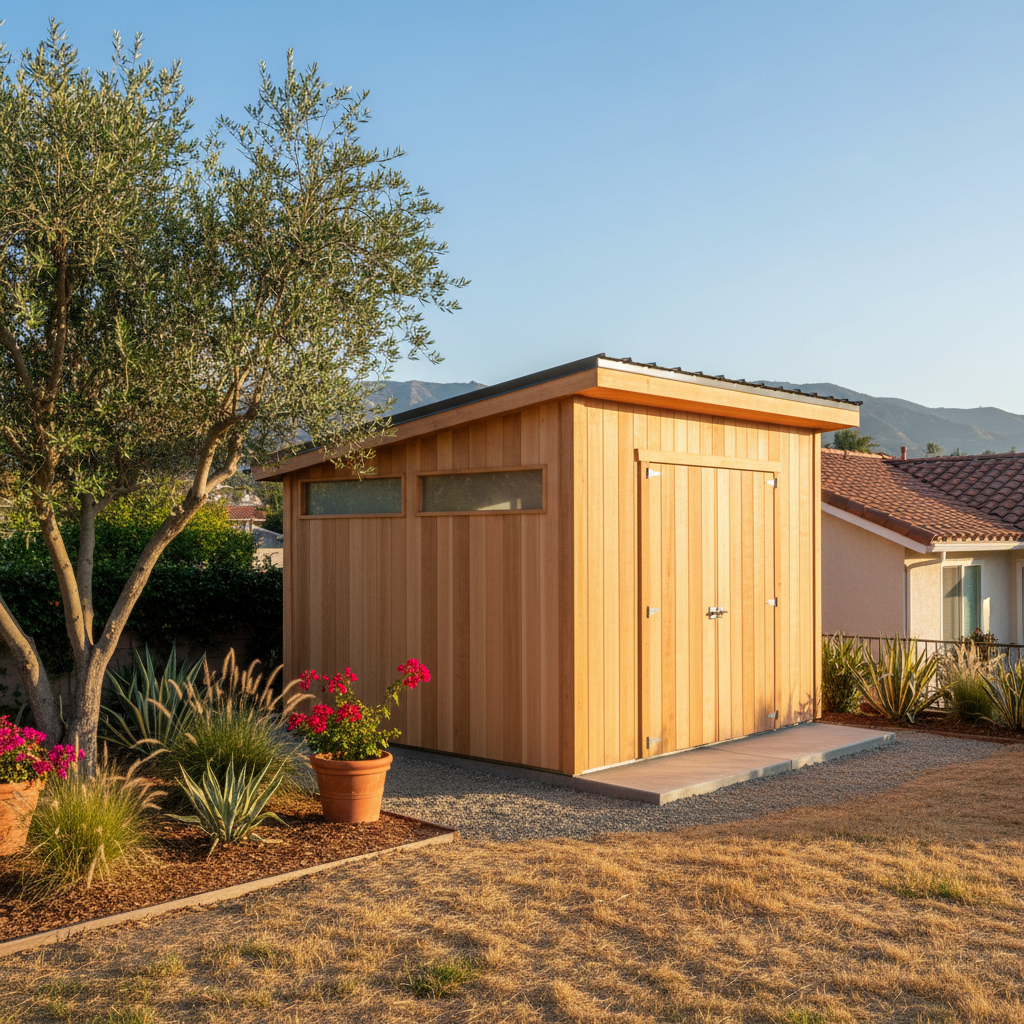
Alright, let's talk sheds in Los Angeles. You might think our weather's always mild, but anyone who's lived here for a bit knows that's not the whole story. Our Mediterranean climate, with its dry summers and wet winters, means you've got some specific things to consider when you're building and taking care of your shed.
When's the Best Time to Build a Shed in LA?
If you're planning a new shed, timing really can make a difference. Generally speaking, spring and early fall are your sweet spots for getting that shed installed.
- Spring (March - May): This is usually a fantastic time. You get longer daylight hours, and the weather's typically pretty mild. It lets us get the job done before the real summer heat kicks in. Plus, if you're thinking about a custom build, getting it started in spring means it'll probably be ready for you to use by summer.
- Early Fall (September - November): Fall brings cooler temperatures and often less rain than winter, which helps avoid delays. It's also a good time because manufacturers might be looking to clear out inventory before winter, so you could snag some decent deals.
- Summer (June - August): Sure, summer offers dry conditions and long days, but the intense heat can be a real challenge. If we're working in August, when temperatures can hit the mid-80s or higher, we'll need to plan around the hottest parts of the day — maybe starting early or finishing later. High heat can also affect some materials, so we've got to keep that in mind.
- Winter (December - February): This is generally the least ideal time for new construction. We get most of our rain between December and March, and that can lead to delays. Nobody wants a muddy construction site, especially if you're in an area prone to mudslides after heavy rains, like some of the hillside neighborhoods.
LA Weather Conditions That Affect Your Shed Project
Our local climate isn't just sunshine and rainbows. Here's what I've seen impact shed builds:
- Rain and Moisture: Our wet season, from November to March, means you're dealing with more precipitation. This can slow down foundation work, affect wood, and generally make things tougher. Proper drainage around your shed is crucial, especially with our occasional heavy downpours.
- Heat and UV Exposure: Those long, sunny LA summers are great for enjoying your backyard, but they're tough on materials. Constant UV exposure can fade paint, crack sealants, and warp wood if it's not properly protected. That's why choosing good materials and applying proper finishes are so important.
- Wildfires and Santa Ana Winds: While these don't directly affect construction timing, the dry conditions and strong Santa Ana winds, especially in late summer and fall, increase wildfire risk. It's something to be aware of for overall property safety, and it influences material choices for fire resistance.
- Microclimates: Los Angeles isn't one-size-fits-all. The weather can be wildly different between, say, Santa Monica and the San Fernando Valley. Coastal areas might get more marine layer fog, while inland areas bake. This means what works for one shed might need adjustments for another just a few miles away.
Protecting Your Shed Investment Year-Round
Once your shed is up, you want it to last, right? Here's how to keep it in top shape, no matter the season:
Spring: Inspect and Repair
After the winter rains, spring is the perfect time to do a thorough check. Look for any signs of water getting in or damage from moisture. Check the roof, especially around flashing and seams, and make sure your gutters (if you have them) are clear. Inspect door and window seals; you definitely don't want any leaks. Taking care of small issues now keeps them from becoming bigger, more expensive problems later. Also, trim back any overgrown plants or branches around the shed that might trap moisture or rub against the siding.
Summer: Beat the Heat
Our summers are hot and dry. Make sure your shed has good ventilation to prevent heat buildup inside, which can damage stored items or lead to mold. If you're building new, consider reflective insulation, especially on the roof, to bounce that heat away. Keep an eye out for pests like ants or rodents, as they're often more active in warm weather. If your shed is painted, a fresh coat or sealant can protect it from those intense UV rays.
Fall: Prepare for Rain
Before the wet season hits, make sure your shed is sealed up tight. Check all caulking around windows, doors, and trim. Clear leaves and debris from the roof and around the foundation. Make sure any drainage solutions you have in place are working correctly. If your shed is on a slope, think about how heavy rains might affect runoff and potentially undermine the foundation. This is also a good time to organize and clean out your shed, making sure everything is stored off the floor in case of any unexpected moisture.
Winter: Monitor and Maintain
During our rainy season, keep an eye on your shed. Check for any leaks after storms. If you notice any, address them quickly to prevent water damage. Make sure the ground around your shed isn't pooling water. If you're in an area that gets occasional frost (yes, it happens even in LA, especially further inland), ensure any plumbing inside your shed is protected. Even though our winters are mild compared to other places, consistent dampness can still be an issue for wood and foundations.
Building a shed is an investment, and with Los Angeles Shed Solutions, we make sure it's built right for our local conditions. But a little year-round attention from you will keep it looking good and working perfectly for years to come.